
Home > Expert Advice > Fruit or Vegetable
Click to Increase Text Size Click to Decrease Text Size Email This Page Print this Page Bookmark This Page Share This Page
Meadows Farms Nurseries

Preferred Customer Signup

For special offers, discount coupons, and garden tips, join our Preferred Customer List!

Sale

What's on Sale This Week

Save Now
Meadows Farms Nurseries

Fruit or Vegetable


Is it a fruit or a vegetable? This question has two viewpoints—scientific and culinary. Botanically, a fruit is the ripened ovary, together with seeds, of a flowering plant. In many species, the fruit incorporates the ripened ovary and surrounding tissues. Fruits are the means by which flowering plants disseminate seeds for regenerating. Does it have seeds? If so, then technically, you have a fruit. Yes, tomatoes (and peppers, eggplants, cucumbers and squashes) are fruits. Even true nuts, like acorns and chestnuts, are fruits. And grains are considered the dried fruit of cereal grasses.
In cuisine, fruit refers to those plants that are sweet and fleshy—not items cooked or used in savory dishes.


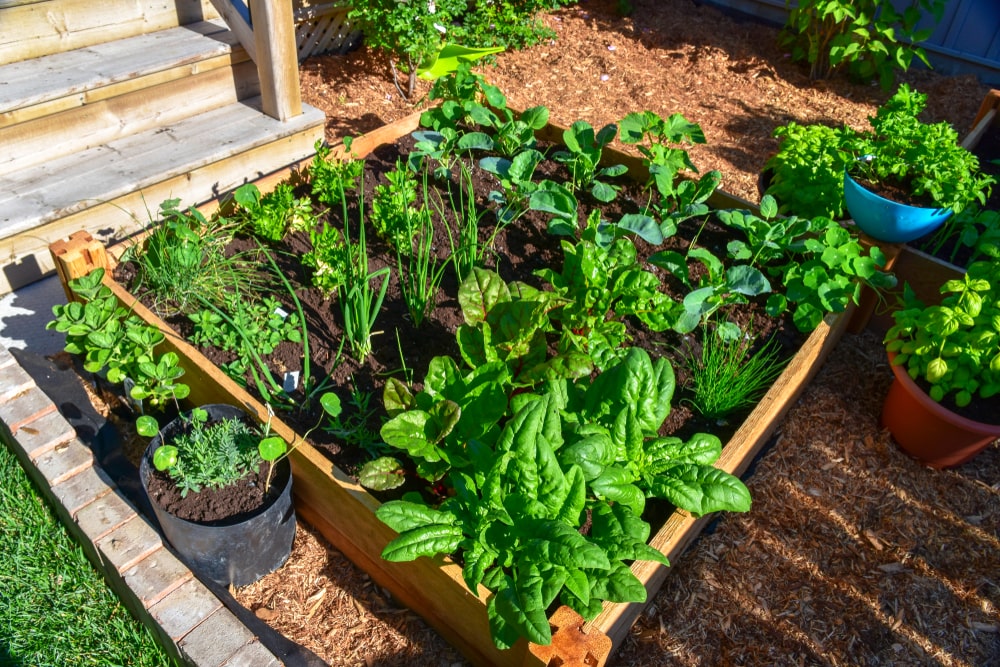
The word “vegetable” is not a botanical term, and thus, there is no contradiction in referring to a plant part as a fruit while also considering it a vegetable. For a botanist, “vegetable” is an umbrella word for all the edible parts of a plant—leaves (lettuce, spinach, kale), stems (asparagus, celery), roots (carrots, beets), tubers (potatoes), flowers (broccoli), bulbs (onions, garlic), and seeds (peas, beans).


For the average person, whether it’s a fruit or vegetable doesn’t really matter. What does matter is that we eat five to eight servings everyday. So eat those fruity tomatoes, cucumbers, and peppers, and just plain enjoy.


The Great Big Greenhouse & Nursery, 2051 Huguenot Road, Richmond, VA 23235
Phone (804) 320-1317 Fax (804) 320-9580 website www.greatbiggreenhouse.com